


Yoga for Seniors: How to Adapt Practice for Every Age
A comprehensive guide to yoga for seniors. Safe modifications, chair yoga options, and benefits of maintaining practice as we age.
Équipe Retreat And Be
Editorial content produced and reviewed by the Retreat And Be team.
Introduction
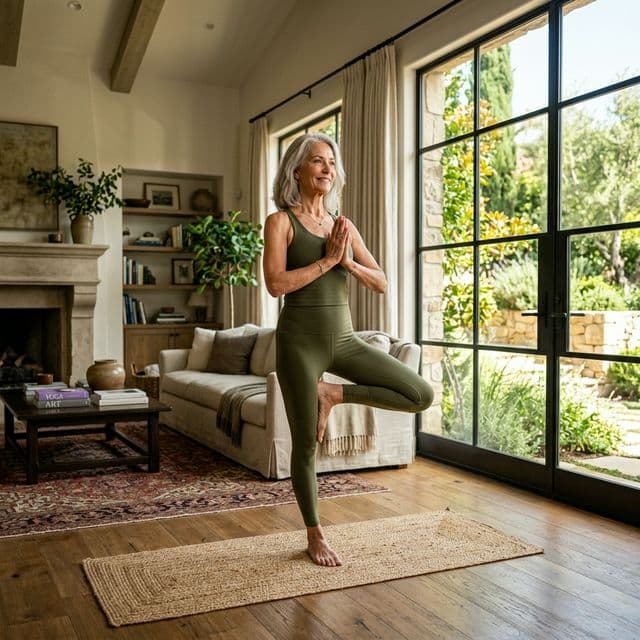
You're never too old to start yoga. In fact, many people discover yoga later in life and find it transformative. The key is adapting practice to your body, not forcing your body into practice.
This guide shows how to practice yoga safely and beneficially at any age.
Benefits of Yoga for Seniors
Physical Benefits
Balance and Fall Prevention
- Standing poses improve proprioception
- Reduced fall risk (up to 50% in studies)
- Greater confidence in movement
Flexibility and Mobility
- Joint range of motion maintained or improved
- Daily activities become easier
- Reduced stiffness
Strength
- Functional strength for daily life
- Bone density preservation
- Core stability
Pain Management
- Reduced chronic pain
- Improved arthritis symptoms
- Better back health
Mental Benefits
- Reduced anxiety and depression
- Improved cognitive function
- Better sleep quality
- Greater sense of wellbeing
- Social connection in classes
Adapting Yoga Practice
Chair Yoga: Accessible for Everyone
Many poses adapt beautifully to a chair:
Chair Cat-Cow
- Sit tall, feet flat
- Inhale: Arch back, lift gaze
- Exhale: Round spine, tuck chin
- Benefits same as mat version
Seated Twist
- Sit sideways on chair
- Hold chair back with both hands
- Gentle rotation
- Excellent for spine mobility
Chair Warrior
- Sit at edge of chair
- Extend one leg back (toe on floor)
- Arms overhead
- Build leg strength safely
Standing with Support
Use a chair, wall, or counter for balance:
- Tree pose with hand on wall
- Warrior variations with chair support
- Standing stretches with stability
Modified Floor Work
When getting to the floor is challenging:
- Use bolsters and blankets for support
- Keep movements gentle
- Always have support nearby when rising
- Consider staying seated or using a bed
- 1
Start Where You Are
Begin with what feels comfortable today. Tomorrow might be different. Honor your body's current state.
- 2
Use Props Generously
Blocks, straps, blankets, chairs—props aren't cheating, they're smart practice. Use whatever helps.
- 3
Prioritize Safety
Skip any pose that causes pain or feels unstable. There's always a modification or alternative.
- 4
Focus on Breath
Breath work is accessible regardless of physical limitations. Pranayama offers full benefits.
- 5
Be Patient
Progress may be slower, but it's still progress. Consistency matters more than intensity.
Key Poses for Seniors
Essential Standing Poses (with support)
Mountain Pose
- Foundation of all standing poses
- Improves posture awareness
- Practice near wall for security
Tree Pose (modified)
- Toe touching floor or on calf
- Hand on chair or wall
- Builds balance gradually
Warrior I (supported)
- Chair in front for hand support
- Shorter stance for stability
- Builds leg strength
Essential Seated Poses
Easy Seated Pose
- On chair or cushion
- Spine tall, shoulders relaxed
- Foundation for breathing and meditation
Seated Forward Fold
- Gentle spine stretch
- Can reach toward knees (not toes)
- Use strap if helpful
Seated Side Stretch
- Arm overhead, lean to side
- Opens ribs, stretches spine
- Do both sides equally
Restorative Options
Supported Child's Pose
- Bolster under torso
- Pillows under knees
- Very gentle hip opener
Legs on Chair
- Lie on back, calves on chair seat
- Relaxes lower back
- Reduces leg swelling
Supported Savasana
- Bolster under knees
- Blanket for warmth
- Essential relaxation
Starting a Practice
Finding the Right Class
Look for:
- "Gentle yoga" or "chair yoga" classes
- Teachers with senior-specific training
- Small class sizes
- Accessible studio spaces
Home Practice Tips
- Practice near wall or sturdy furniture
- Use non-slip mat
- Keep phone nearby (for safety)
- Shorter sessions more frequently
- Warm up thoroughly
Building Consistency
- Same time daily (habit formation)
- Start with 10-15 minutes
- Link to existing routine
- Celebrate showing up
FAQ: Yoga for Seniors Questions
I've never done yoga. Is it too late to start?
Never! Many people begin yoga in their 60s, 70s, even 80s. Start with gentle or chair yoga, listen to your body, and progress at your own pace.
What if I have arthritis?
Gentle yoga often helps arthritis by maintaining joint mobility. Avoid forcing joints, use props, and focus on smooth movements. Some poses may need modification.
Can I do yoga with hip or knee replacements?
Yes, with modifications and clearance from your doctor. Avoid extreme flexion of replaced joints. A knowledgeable teacher can guide safe practice.
How often should seniors practice yoga?
2-3 times weekly shows good results. Even daily gentle practice of 10-15 minutes can maintain flexibility and reduce stiffness.
Conclusion
Yoga offers profound benefits at every age. For seniors, it's not about achieving advanced poses—it's about maintaining mobility, preventing falls, reducing pain, and enjoying greater quality of life.
The practices that serve you at 70 may look different from those at 30, and that's perfect. Yoga adapts to you. Begin where you are, use supports freely, and trust your body's wisdom.
You're never too old for yoga. You're exactly the right age to start.
Senior-Friendly Retreats
Our accessible retreats welcome practitioners of all ages and abilities. Gentle yoga, comfortable accommodations, and supportive community.
Find Accessible RetreatsKeywords
Ready to transform your wellbeing?
Join thousands who have already started their wellness journey with Retreat & Be.
Commencer