

Yoga Retreats in the Alps: Mountain Wellness Experiences
Discover the transformative power of Alpine yoga retreats. Mountain air, stunning views, and deep practice in France, Switzerland, and Austria.
Équipe Retreat And Be
Editorial content produced and reviewed by the Retreat And Be team.
Introduction
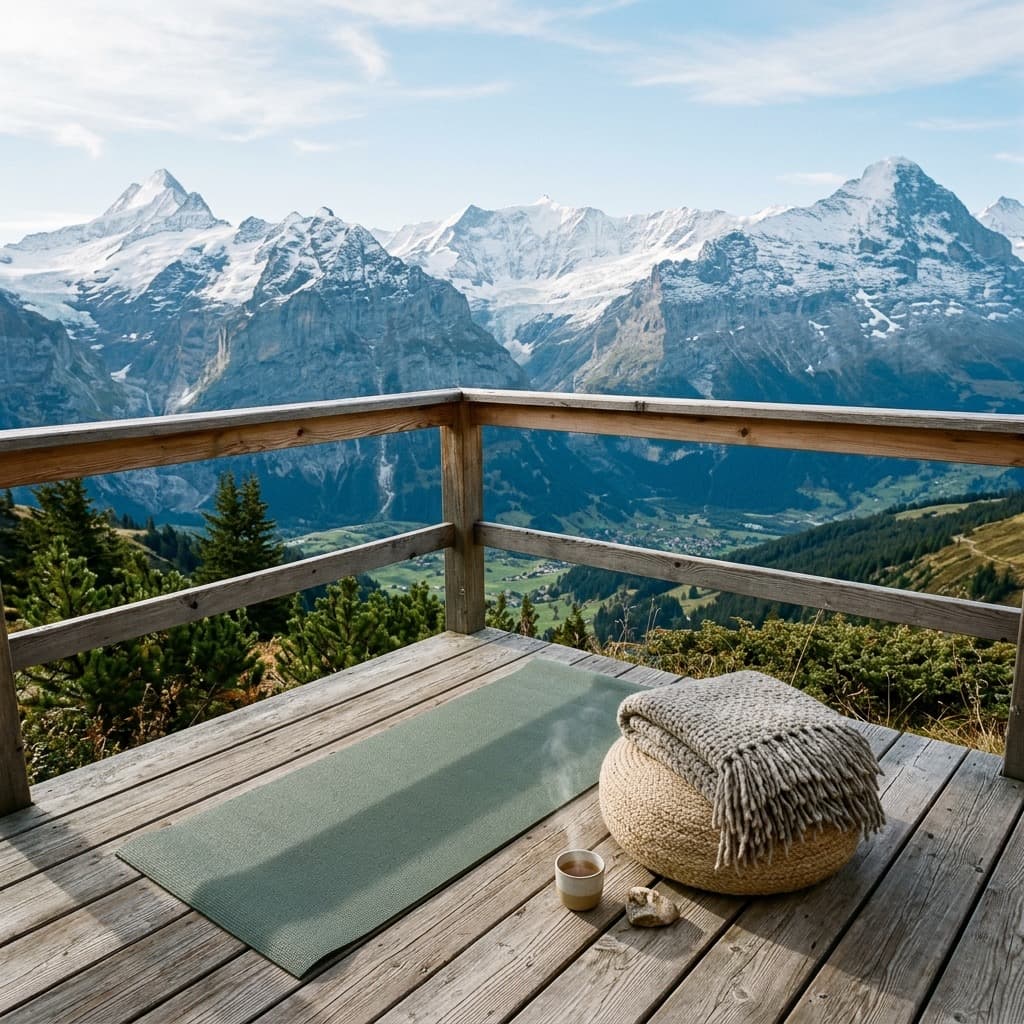
Mountains have drawn spiritual seekers for millennia. The Alps offer something unique: world-class infrastructure meeting pristine wilderness, accessible yet otherworldly, challenging yet nurturing.
Whether in French chalets, Swiss villages, or Austrian lodges, Alpine yoga retreats offer transformation through altitude, nature, and dedicated practice.
Why Mountain Retreats?
The Altitude Effect
Mountains create unique conditions:
Physical
- Cleaner air with fewer pollutants
- Increased red blood cell production
- Natural workout intensity from altitude
- Better sleep at moderate elevations
Mental
- Perspective shift (literally seeing from above)
- Reduced mental clutter
- Enhanced present-moment awareness
- Awe-inspiring views
Spiritual
- Historical connection to contemplation
- Separation from ordinary life
- Closer to sky/heavens symbolically
- Natural silence
The Alpine Difference
- Exceptional infrastructure
- Safe, well-maintained trails
- Quality accommodations
- World-class cuisine
- Easy access from major cities
Alpine Regions for Yoga
French Alps
Chamonix/Mont Blanc Area
- Dramatic scenery, iconic peaks
- Established yoga community
- Year-round retreats
- Adventure + wellness combination
Megève/Haute Savoie
- Charming village atmosphere
- More gentle landscapes
- Luxury options available
- Excellent food culture
Savoie (Beaufortain, Vanoise)
- Less touristy
- Traditional Alpine culture
- Authentic experiences
- Budget-friendlier
Swiss Alps
Valais (Verbier, Zermatt area)
- Spectacular Matterhorn views
- Wellness-focused infrastructure
- Higher price point
- Exceptional quality
Graubünden (Davos, Engadin)
- Cleaner, drier air
- Spa traditions
- Sophisticated offerings
- Good train access
Austrian Alps
Tyrol (Innsbruck area)
- Excellent value
- Strong wellness traditions
- Great hiking
- Authentic culture
Salzburg Region
- Cultural richness
- Gentler mountains
- Historic spas
- Easy access
- 1
Summer (June-September)
Best for hiking integration, outdoor practice, wildflowers. Can be crowded in August. Early September ideal.
- 2
Autumn (October-November)
Golden colors, fewer tourists, crisp air. Some facilities close mid-season. Check availability.
- 3
Winter (December-March)
Ski + yoga combinations. Magical snow landscapes. Cozy indoor practice. Higher costs, book early.
- 4
Spring (April-May)
Transition season, some closures. May offers wildflowers beginning. Variable weather.
Types of Alpine Retreats
Hiking + Yoga
Combining mountain walking with practice:
- Morning yoga before hike
- Mindful walking practices
- Evening restorative yoga
- Nature as teacher
- Physical and spiritual integration
Luxury Wellness
High-end Alpine experience:
- Spa facilities with mountain views
- Gourmet healthy cuisine
- Personalized instruction
- Premium accommodations
- Full service experience
Adventure Yoga
For active practitioners:
- Mountain activities (climbing, via ferrata)
- Dynamic yoga practice
- Challenging terrain
- Fitness-focused
- Adrenaline + calm combination
Silent/Contemplative
Monastic-inspired retreats:
- Minimal talking
- Extended meditation
- Simple accommodations
- Deep practice focus
- Often near historic sites
Detox and Cleanse
Alpine cleansing retreats:
- Clean mountain air
- Fasting or clean eating programs
- Hiking for elimination support
- Spa treatments
- Physical reset
What to Expect
Daily Schedule Example
Morning
- 6:30 Optional sunrise meditation (spectacular in mountains)
- 7:30 Pranayama and morning practice (90 min)
- 9:30 Healthy breakfast
- 10:30 Hike or activity (2-4 hours)
Afternoon
- 13:00 Lunch
- 14:00 Rest time
- 16:00 Workshop, treatment, or free time
- 18:00 Restorative yoga
Evening
- 19:30 Dinner
- 21:00 Meditation or stargazing
- Early bedtime (mountain air exhausts)
Cuisine
Alpine food traditions support wellness:
- Fresh dairy (if consuming)
- Mountain herbs and vegetables
- Quality meats (if consuming)
- Traditional preservation (fermentation)
- Hearty but wholesome
Many retreats offer vegetarian/vegan options; confirm when booking.
Accommodations
Range from rustic to luxurious:
Mountain huts/refuges: Simple, communal, authentic Chalets: Traditional, cozy, shared or private Hotels: Full service, various levels Wellness resorts: Spa facilities, premium
Planning Your Alpine Retreat
Best Months
- June: Long days, wildflowers, less crowded
- September: Golden light, fewer tourists, stable weather
- January/February: Best snow, ski + yoga
Packing Essentials
- Layers (temperature varies dramatically)
- Hiking boots (even for primarily yoga retreats)
- Sun protection (stronger at altitude)
- Warm yoga clothes (cool studios possible)
- Rain gear (weather changes fast)
Getting There
Access points:
- Geneva → French/Swiss Alps
- Zurich → Swiss/Austrian Alps
- Munich → Austrian Alps
- Lyon → French Alps
Train connections excellent throughout region.
Cost Expectations
| Level | Weekend (2 nights) | Week |
|---|---|---|
| Budget/Hut | €200-400 | €600-1,200 |
| Mid-Range | €400-800 | €1,200-2,500 |
| Luxury | €800-1,500 | €2,500-5,000+ |
Summer often less expensive than ski season.
Safety Considerations
Altitude Awareness
- Acclimatize for 24 hours before intense activity
- Stay hydrated (altitude dehydrates)
- Recognize altitude sickness signs
- Descend if symptoms persist
Mountain Safety
- Check weather before hiking
- Stay on marked trails
- Inform someone of your plans
- Carry appropriate emergency gear
- Respect the mountains
FAQ: Alpine Retreat Questions
Do I need to be fit for a mountain yoga retreat?
Depends on the retreat. Some focus on gentle practice with minimal hiking; others involve significant physical activity. Check the description and communicate your fitness level.
What about altitude sickness?
Most Alpine retreats are at 1,000-2,000m where altitude sickness is rare for healthy people. Above 2,500m, take acclimatization seriously. Hydrate well and don't push too hard initially.
Can I combine skiing and yoga?
Absolutely. Winter retreats often offer this combination. Yoga in the morning, skiing/snowshoeing midday, restorative practice evening.
Are mountain retreats suitable for yoga beginners?
Yes, many welcome beginners. However, the physical demands of mountain environment add to challenge. Look for specifically beginner-friendly options if new to yoga.
Conclusion
Mountains teach lessons that studios cannot. The humility of facing vast peaks. The persistence of climbing. The perspective of seeing life from above. The clarity of thin, clean air.
Alpine yoga retreats offer this teaching wrapped in world-class comfort and infrastructure. Whether you seek adventure or contemplation, challenge or rest, the Alps have a retreat waiting.
Let the mountains transform you.
Find Your Mountain Retreat
Browse our collection of Alpine yoga experiences. From French chalets to Austrian lodges, find your perfect mountain escape.
Explore Alpine RetreatsKeywords
Ready to transform your wellbeing?
Join thousands who have already started their wellness journey with Retreat & Be.
Start