

A back-to-routine retreat: planning a break after summer
Choose a retreat that suits your budget and pace, or plan a break at home with this practical guide to formats, planning and flexibility.
Équipe Retreat And Be
Editorial content produced and reviewed by the Retreat And Be team.
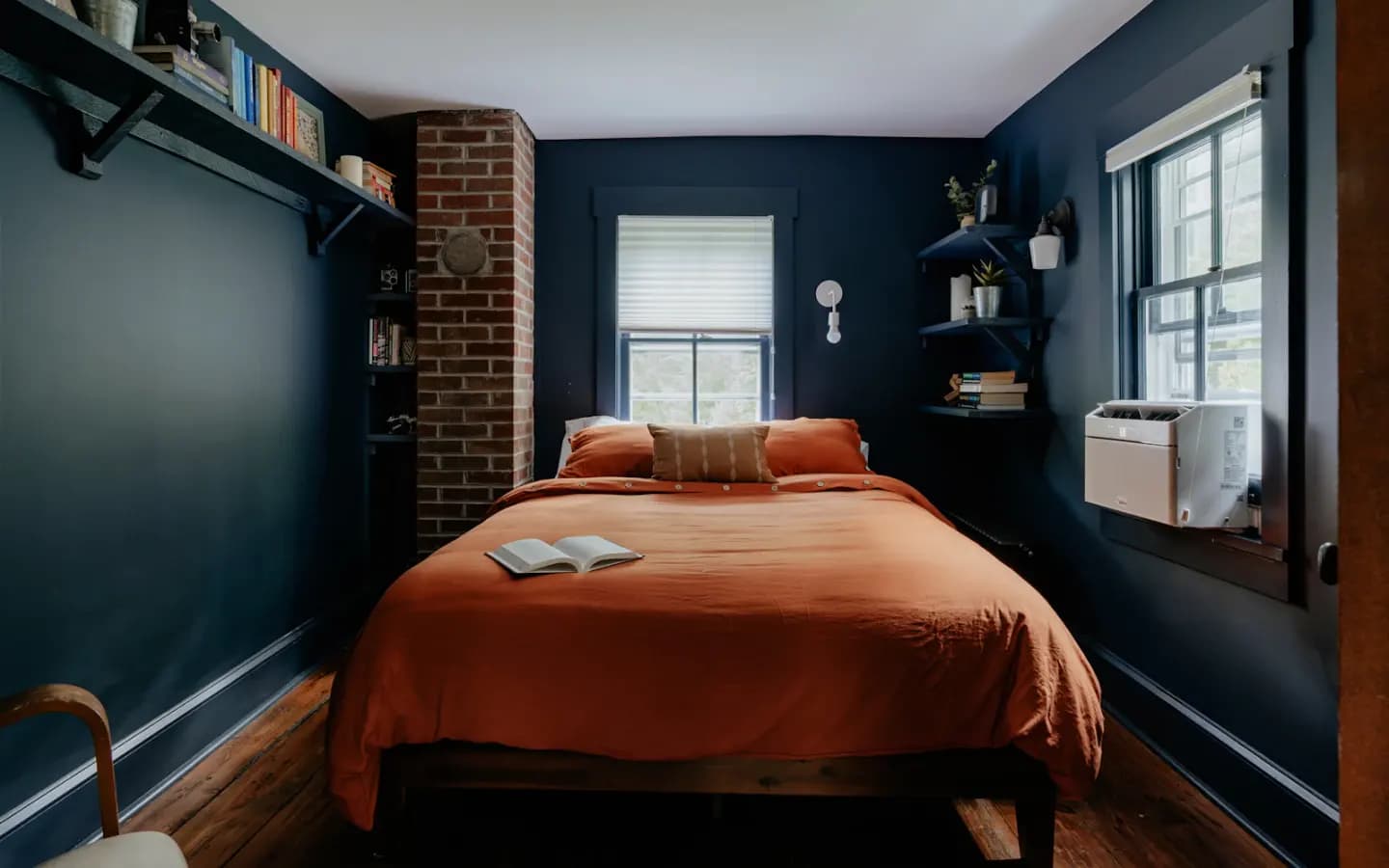
Illustrative photograph : Clay Banks / Unsplash.
The return to routine can make you want to resume your habits or simply pause before your calendar fills up. A retreat need not be far away or long: a local day, a weekend elsewhere or a few hours at home can provide space to breathe and reflect on what comes next.
This guide helps you choose a format, plan a budget and build a flexible programme. It is still useful in November: your break can take place whenever suits you.
Decide what you want from your break
Before looking for a place, write down one or two concrete intentions: spend time outdoors, read without interruption, try a gentle practice or step back and review your schedule. You can also leave part of your stay unplanned.
Ask yourself:
- How much time do I have, including travel?
- What total budget am I willing to spend?
- Do I want a group, guidance or solitude?
- What conditions do I need: accessibility, food, quiet, connectivity or an easy journey home?
A retreat is not treatment. If fatigue persists, worsens or concerns you, speak to a health professional. French health insurer Assurance Maladie explains when to seek advice about fatigue.
Choose a realistic format
| Format | May suit you if… | Check |
|---|---|---|
| Local day | You have little time or want to limit travel. | Schedule, included meals and travel time. |
| Residential stay | You want a change of scene for one or more nights. | Accommodation, group size and actual free time. |
| Break at home | You prefer to stay near your commitments or control your budget. | Space availability, possible interruptions and help from others. |
| Online programme | You want guidance from home. | Schedule, equipment and content access. |
No minimum duration guarantees an outcome. Choose a format compatible with your constraints, including work, loved ones and accessibility.
Compare offers and plan your budget
Read the full programme and ask for details before paying. A retreat described as restful may include early starts or several compulsory activities each day. Check whether activities are optional and adaptations possible.
Gather the same information for each stay:
- Price and inclusions: accommodation, meals, activities, equipment, taxes and extras.
- Travel: return cost and duration, final leg, arrival and departure times.
- Terms: payment deadlines, cancellation or changes, refunds and any insurance.
- Setting: group size, room type, accessibility, required level and free time.
- Organisation: organiser’s details, contact person and written answers to important questions.
Add up expected costs and allow for unexpected expenses. Check exact terms with the organiser and transport providers; they vary by service. You need not book an offer that promises a cure or imposes restrictions unsuitable for you.
A flexible three-day break example
This is a suggestion, not a prescription. Reduce it to one day, change the schedule or replace activities to suit your energy and needs.
Day 1 — Arrive. Avoid an immediate appointment on arrival. Settle in, have a suitable meal and leave some free time. Explore the surroundings on foot if you wish.
Day 2 — Explore at your pace. Choose an accessible activity, such as a walk, a gentle session or a creative workshop. Leave an unplanned period. Note what you would like to bring into ordinary weeks.
Day 3 — Prepare to return. Take a little time to look at the days ahead. Choose one simple habit to try and, if possible, avoid overloading the journey home.
At home, you might set aside half a day, tell those concerned when you are available and prepare a meal in advance. An interrupted break is still a break: adapt it to your household’s reality.
Find a few everyday anchors
Afterwards, choose one realistic action instead of a list of obligations: keep a reading slot, walk when possible or set aside time without notifications. Review after a few days and adjust without blaming yourself if plans change.
For sleep, Assurance Maladie recommends regular hours, daylight exposure and limiting screens before bed. Adapt these suggestions to your circumstances; they do not guarantee an outcome. Source: Assurance Maladie, “Comment mieux dormir à l’âge adulte ?”, accessed 16 November 2026.
Frequently asked questions
How long should I go for?
There is no universal duration. A day, weekend or longer stay may suit your budget, wishes and availability. Include travel in the total time.
Can I organise a retreat at home?
Yes. Define the available time and prepare optional activities and a resting space. Anticipate interruptions and adapt if commitments change.
Do I have to practise yoga or meditation?
No. Some retreats offer them, but you may prefer walking, reading, creative activity or free time. Check prerequisites and adaptations before enrolling.
Can I take this break after September?
Yes. There is no universally ideal date: choose a period that fits your life and local conditions. In autumn or winter, check weather, transport schedules and necessary equipment.
Prepare your next break
Write down your available time, total budget, essential needs and one activity you would enjoy. Compare options that meet these criteria, then leave room to change your mind and rest.
Keywords
Ready to transform your wellbeing?
Join thousands who have already started their wellness journey with Retreat & Be.
Start